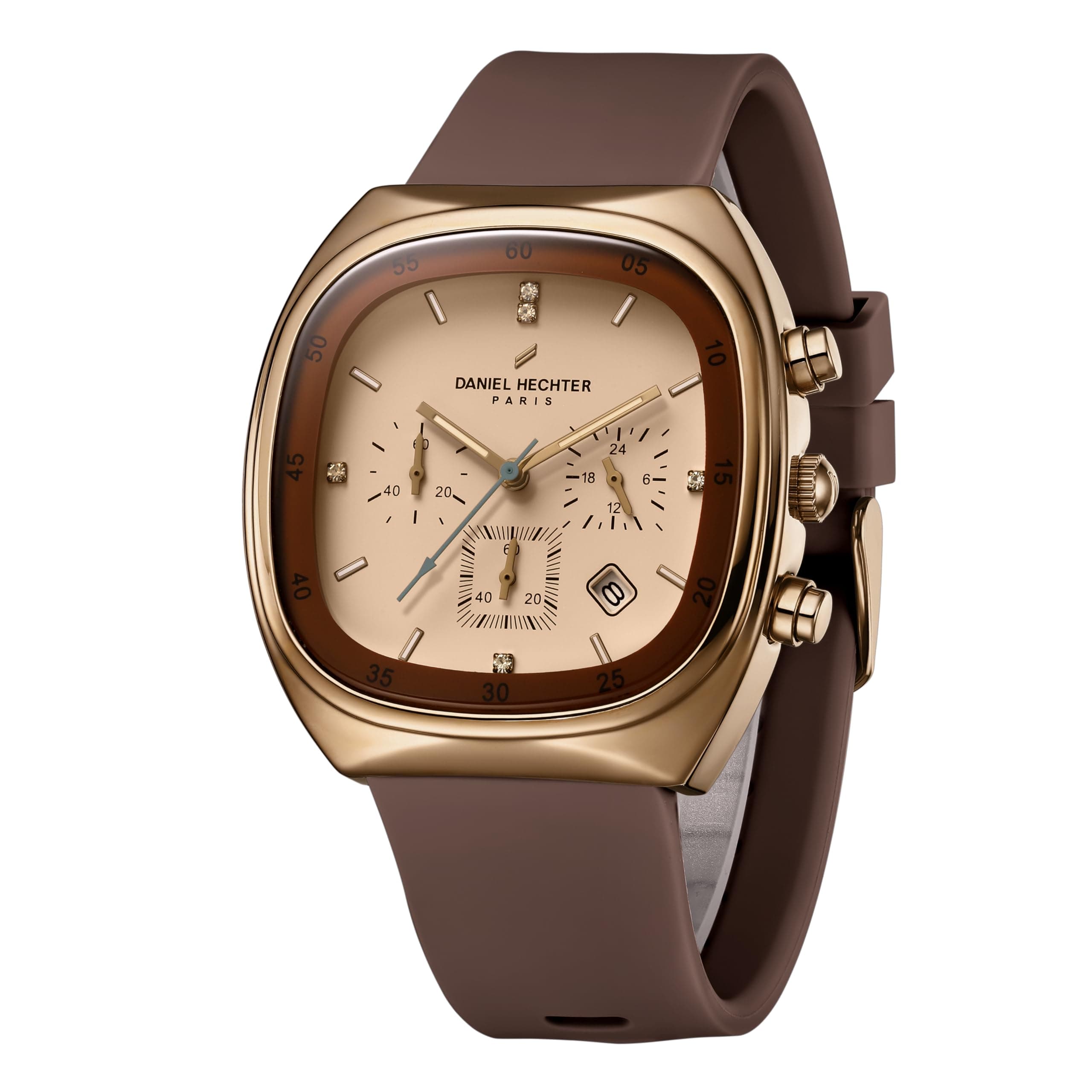
59% off
Amazon
Daniel Hechter Paris Bercy Collection Modern Multi Functional Watch for Men with Square Dial and Silicon Band-DHM1001
₹2,226
₹5,450
76%score
Paste any Amazon.in link and get a full year of price history on one chart — every lightning deal, festival spike and genuine drop. Track Amazon prices free, set your target, and get an alert the moment the price falls.
Three steps between you and the confidence to click Buy.
Copy the URL of any Amazon India product page and paste it into the search bar. We support all Amazon.in product URLs.
We instantly chart up to 365 days of price movement for that exact listing — every flash sale, lightning deal and quiet markup, with the all-time low marked.
Tell us the price you're willing to pay. We monitor Amazon around the clock and send a price drop alert the moment it falls — via push, email, or Telegram.
Live price data with deal confidence scores — see which discounts are genuine.


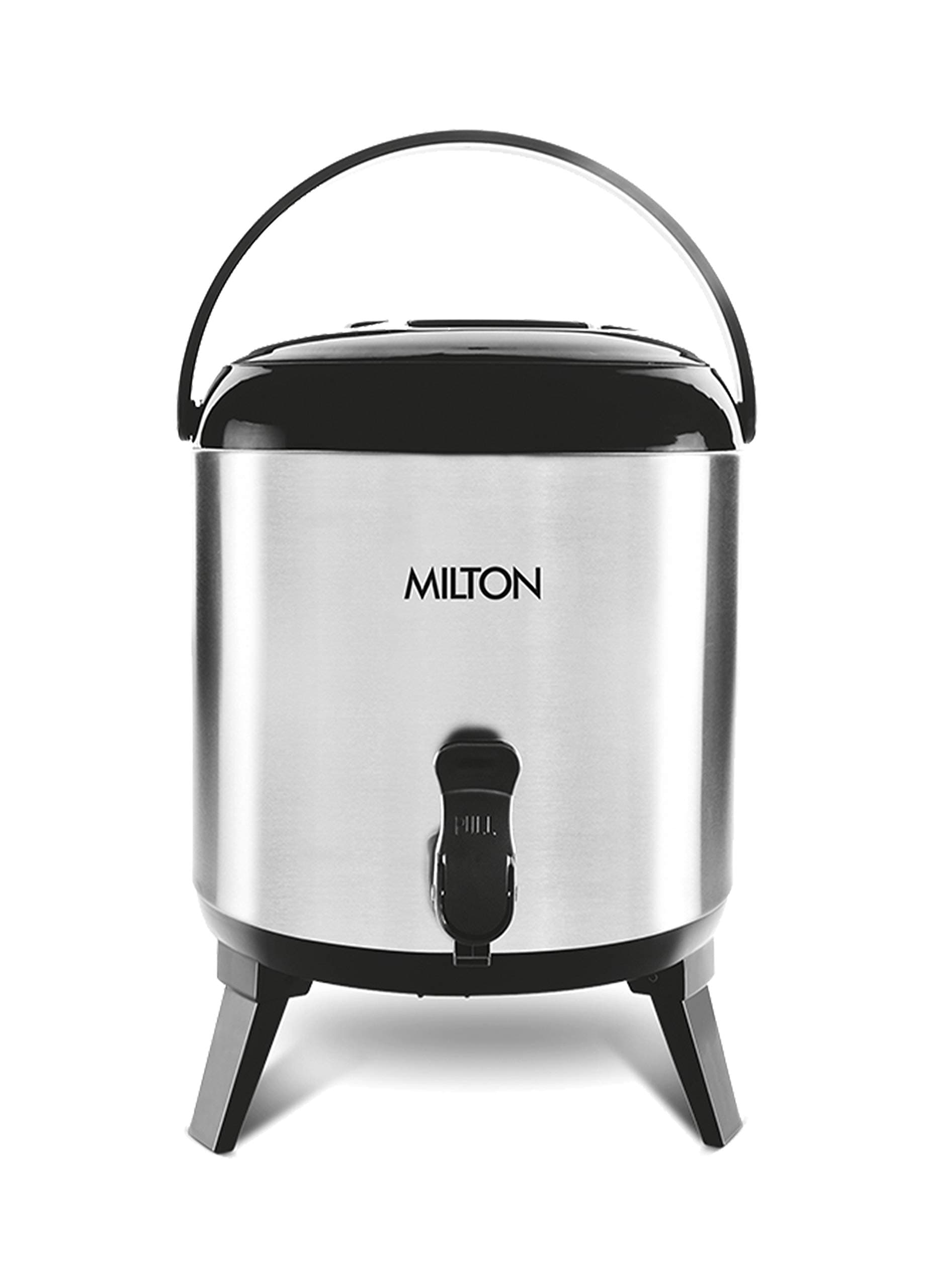



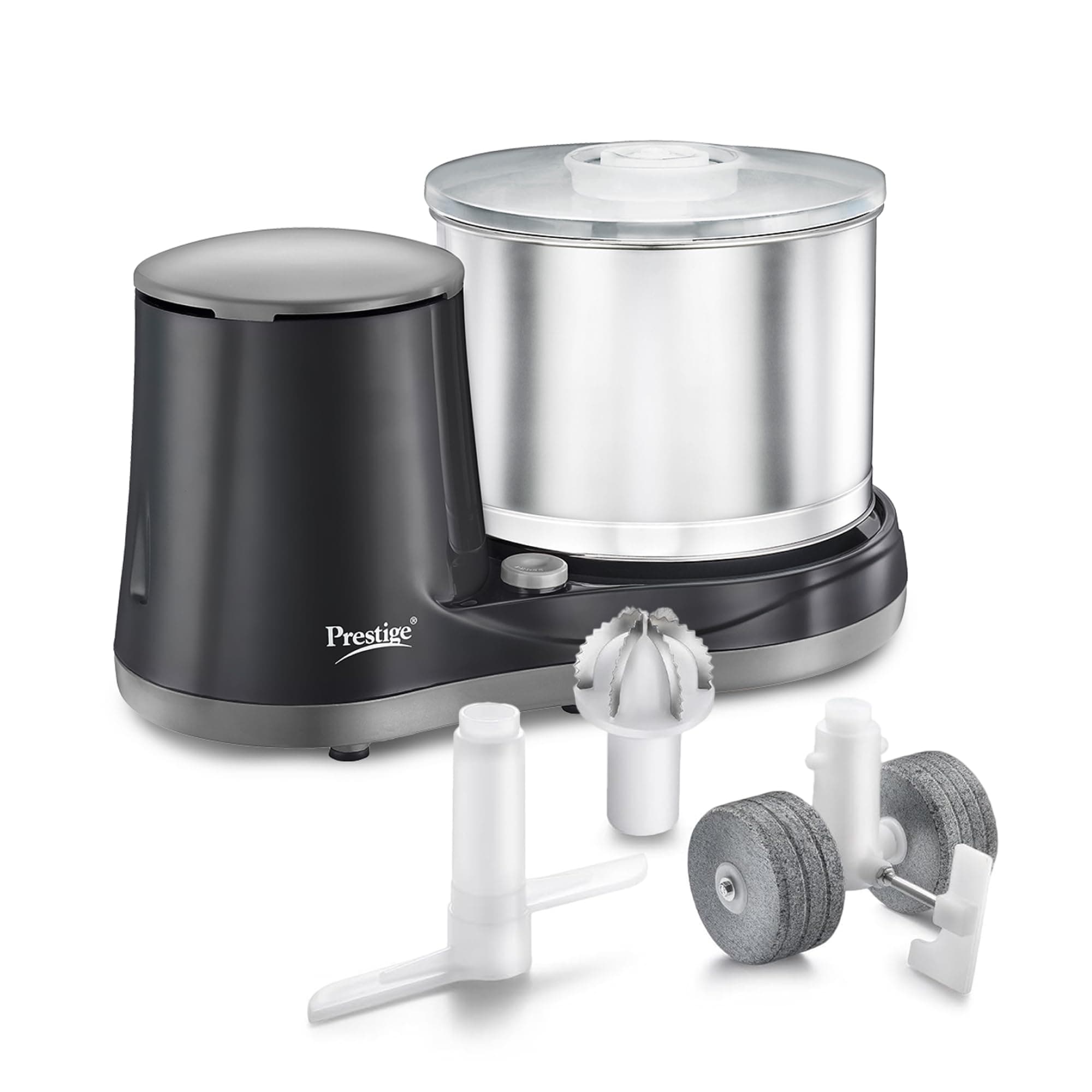
We measured it
We compared the struck-through MRP against the price the product has really been selling at, across 407 tracked Amazon listings. On the median listing the MRP sits 103% above its own typical price — so at a completely ordinary price, the badge already reads about 51% off.
Those last two numbers are the point. Measured against MRP, a typical Amazon listing looks 51% off. Measured against what the product has actually cost on Amazon, the deals we are tracking right now sit a median of 32% below their own recorded high. The second number is the one worth acting on.
The full bar is the MRP. The filled part is the median price this product has actually sold at over the last year. Open any of them to check the timeline yourself.
₹1,104typical
₹3,749
MRP is 240% higher
At its typical price this listing shows a 71% off badge.
₹1,499typical
₹3,490
MRP is 133% higher
At its typical price this listing shows a 57% off badge.
₹26,249typical
₹54,999
MRP is 110% higher
At its typical price this listing shows a 52% off badge.
₹31,638typical
₹59,999
MRP is 90% higher
At its typical price this listing shows a 47% off badge.
₹8,999typical
₹16,999
MRP is 89% higher
At its typical price this listing shows a 47% off badge.
For each tracked listing we take the median of every selling price we recorded for it over the last 365 days — its typical price — and compare that against the MRP shown on the listing. Only listings with at least five recorded prices in that window are counted, so a 'typical price' always rests on several observations. We report the median across listings, because a handful of extreme MRPs would drag a mean upwards.
The result barely moves when the evidence bar is raised: requiring three, five, eight or fifteen recorded prices shifts the median by a few points either way, so the figure is not an artefact of which listings we happen to sample often.
Worth knowing: These are listings that have surfaced in our deal feeds, not a random sample of each store's full catalogue, so they over-represent products that get discounted. A high MRP is also not by itself dishonest — it is the manufacturer's list price, and stores are entitled to show it. The point is narrower: the '% off' badge is calculated from that number rather than from any price the product has recently sold at. For the record, 7 of the 407 listings we checked had an MRP at or below their typical price.
Data doesn’t lie. Sale banners do.
We audited 142 tracked products through the last two Great Indian Festival sales: 20% were marked up in the run-up, and 73% genuinely beat their pre-sale price. The chart tells you which one you are looking at.
We archive prices through every Amazon sale — Great Indian Festival, Prime Day, Diwali deals. Compare this year's 'sale price' with what the same product sold for last year.
Lightning deals vanish in minutes. Our Amazon price monitor checks listings through the day and alerts you the moment a watched product hits your price — before the deal is gone.
See what the same product costs on Flipkart, Croma and other stores before you order — the cheapest source isn't always the one with the biggest badge.
Knowing when Amazon holds its big sales is step one. Checking the base price — before bank offers and exchange bonuses muddy the maths — is step two.
Read the Great Indian Festival price auditAmazon's biggest sale. Roughly one product in five rises beforehand, so start tracking now to set your own benchmark.
Prime Day deals are often legitimately good on electronics — but check the listing's own chart before you trust the badge.
A second wave of deals following the main festival sale. Best time to buy home appliances.
Amazon's January sale is worth watching for TVs and large appliances — verify each listing against its own price history first.
Common questions about tracking Amazon prices in India.
Paste the Amazon.in product URL into the search bar on this page. You'll see the full Amazon price history chart for the last 365 days — every markup, every markdown, and the all-time low — free, with no account needed.
The one with the deepest data. A good Amazon price tracker follows the exact item you plan to buy, not a category average. Price History tracks 1.5M+ Amazon India products with a full year of recorded prices — long enough to cover last year's festival sales — plus free price drop alerts.
Search the product here, then set a target price in the free Price History app (iOS and Android). We watch the listing and notify you by push, email or Telegram the moment the price falls.
Yes — checking any Amazon product's price history chart is free and needs no account. Price drop alerts need the free app on iOS or Android. There's nothing to pay either way.
We crawl Amazon India multiple times a day, and products with active alerts are checked more often still. Lightning deals can move within minutes, so enable push notifications for the items you care about most.
It is the manufacturer's list price, and it usually sits well above the real selling price. Across 407 tracked Amazon India listings, the median MRP is 103% above the product's typical price over the past year, so an ordinary price already shows about 51% off. Showing MRP is legitimate — but the '% off' badge measures its discount from that list price, not from recent selling prices.
Some listings do, but it is not the rule. Across 142 tracked products in the last two Great Indian Festival sales, 20% were selling above their previous month's price in the run-up, at a median markup of about 9% — while for 73% the lowest sale price genuinely beat the pre-sale price. If a chart steps up sharply before the sale date, the discount is measured from that higher price.
It changes by model, and the record low usually lands during Prime Day or the Great Indian Festival. Track your exact iPhone model here to see its historical low — we show the date and price of every record low we've captured for it.
We track the buy-box price — the price you would actually pay on 'Add to Cart'. If a third-party seller undercuts Amazon's own price and wins the buy box, our chart reflects that price.
Join 1M+ shoppers who never buy on Amazon without checking the chart first. Free — no account needed to browse.